
My Portfolio Has Barely Changed in Years. Is My Advisor Actually Managing It?

Can you relate to this? You open an account statement and notice many of the same funds, stocks, or investment products you've owned for years. Meanwhile, your career, family, financial priorities, and retirement date have changed considerably.
An obvious question comes up: Is my financial advisor managing my portfolio?
It's understandable to associate investment management with visible activity. If you rarely see trades, new holdings, or allocation changes, you may wonder what your advisor is actually doing.
Frequent trading isn't a requirement for sound portfolio management. Keeping an investment can be a deliberate decision based on data, taxes, costs, and its role within your overall asset mix. The issue isn't whether your portfolio changes frequently. It's whether there is a reason behind what you own.
This article from Retirement Wealth Advisors examines how to distinguish disciplined investing from a portfolio that may be running on autopilot.
Five Warning Signs Your Portfolio May Be on Autopilot
A portfolio can remain relatively consistent for years and still receive active oversight. These five signs, however, may give you reason to ask more questions.
1. No One Has Discussed Your Investment Risk Recently
A risk questionnaire you completed years ago describes how you felt at one point in time. Your finances may look very different today. Changes in income, spending, assets, debt, or withdrawal requirements can affect how much market loss your finances can withstand.
2. Your Investments Haven't Been Connected to Retirement Income
Owning a collection of investments isn't the same as knowing how those assets may eventually replace your paycheck. If retirement is approaching, you should understand how cash, Social Security, pensions, taxable accounts, and retirement accounts may work together to fund spending.
3. Major Life Events Haven't Prompted a Portfolio Review
Divorce, the loss of a spouse, remarriage, an inheritance, relocation, a large new expense, or a significant health concern can alter your financial priorities. These events don't automatically require investment changes. They should prompt your advisor to examine whether your existing portfolio still makes sense.
4. Your Advisor Can't Explain Why Nothing Has Changed
Inactivity isn't the problem by itself. The bigger concern is having no understandable rationale for it. An advisor should be able to explain why major holdings remain in your account and what would cause that conclusion to change.
5. Reviews Focus Entirely on Performance
Investment returns need to be evaluated, but they are only one part of retirement portfolio management. Risk, taxes, liquidity, investment expenses, income requirements, and diversification are equally important.
These warning signs may indicate that your investments are on autopilot and your financial advisor is not managing your portfolio as you expected.
What Is the Difference Between Portfolio Stability and Portfolio Neglect?
Two portfolios can look almost identical from one year to the next while receiving very different levels of oversight.
-
Investments remain because they continue to serve a defined purpose.
Allocation is examined and intentionally maintained.
Risk remains appropriate for the client's finances.
Taxes and costs are considered.
The advisor can explain the investment rationale.
Rebalancing occurs when warranted.
Holdings reflect current objectives.
-
Investments remain because no one has reconsidered them.
Allocation has drifted without discussion.
Risk hasn't been reassessed as retirement approaches.
Embedded gains or product restrictions receive little consideration.
Explanations are vague or limited to past performance.
No rebalancing process has been explained.
Holdings still reflect circumstances from years ago.
A well-managed portfolio may look quiet from the outside. Behind that consistency should be an identifiable process of analysis and decision-making.
What Should an Advisor Be Monitoring Even When Nothing Is Traded?
Much of investment management isn't visible on a monthly statement. Choosing to leave a portfolio unchanged can itself be an active decision when the underlying analysis supports it.
Asset Allocation and Portfolio Drift
Different investments rarely rise and fall at exactly the same rate. As a result, the percentages assigned to stocks, bonds, and other assets can move away from their original targets.
Experienced financial advisors in Florida can examine whether one category has become larger than intended and whether the current mix still corresponds with your financial objectives.
Risk Tolerance Versus Risk Capacity
These terms describe two different considerations. Risk tolerance refers to how comfortable you are with market fluctuations. Risk capacity refers to how much loss your finances can reasonably absorb without undermining spending or other objectives.
Someone approaching retirement may be emotionally comfortable with market swings but have less time to recover from a substantial decline before portfolio withdrawals begin.
Diversification and Concentration
Owning several funds or securities doesn't necessarily mean your portfolio is diversified. Multiple funds may hold many of the same companies. Employer stock can grow into a larger percentage of your wealth than desired, while a particular sector or investment style can become dominant after years of strong returns.
Examining the underlying holdings can reveal concentrations that aren't obvious from an account statement.
Costs and Investment Structure
Expenses, surrender charges, proprietary products, and liquidity restrictions can affect whether an investment remains suitable. Another question is whether a complicated collection of holdings still serves a distinct function or whether the same objective could be addressed with a simpler portfolio construction.
Tax Exposure
Selling isn't always better than holding. Selling an investment with a substantial unrealized gain may trigger a tax bill. Losses may offset gains in certain circumstances. The type of account holding an investment can matter as well. A proposed change should be weighed against its potential tax consequences rather than evaluated solely on expected investment performance.
Choosing not to trade can be an active decision, but skilled advisors in retirement wealth management should be able to identify the analysis behind it.
Your Life Changed. Should Your Portfolio Have Changed Too?
Investments don't exist independently from the rest of your finances. Major life events can alter what you require from your portfolio management in Southwest Florida. The same applies when you're helping family members, buying or selling a home, or moving.
Consider a household that moved to Florida several years ago. Property expenses, insurance premiums, storm-related reserves, and liquidity requirements may now look different than they did before the move. A couple transitioning from two residences to one may encounter another set of changes.
This is one reason retirement planning in Florida should adjust as your situation changes, including the needs of family members you choose to support.
Can Your Advisor Explain Why You Still Own Each Investment?
It's not always necessary to understand every technical detail of every security if you're not interested in knowing. However, you should understand the basic purpose, costs, tradeoffs, and risks associated with major holdings. Consider asking:
What purpose does this investment serve?
How does it contribute to my retirement finances?
What risks does it introduce?
What does it cost?
How quickly can I access the money?
How might it behave during a difficult market?
Does it overlap with anything else I own?
Could selling trigger taxes, penalties, or surrender charges?
What circumstances would cause you to replace it?
What evidence supports continuing to own it?
"It has performed well" isn't a complete investment rationale. Past performance tells you what happened. It doesn't explain whether a holding remains appropriate for the years ahead.
If those questions are difficult to answer, a financial advisor for retirees in Florida at Retirement Wealth Advisors can offer another set of eyes.
Retirement Wealth Advisors' Perspective: Evidence Over Activity
At Retirement Wealth Advisors, we don't believe activity should be created to make an account appear managed.
Our investment philosophy emphasizes historical context, relevant data, risk management, costs, tax efficiency, and evidence over excitement. Investment choices should also connect with your financial and income plans.
Sometimes the analysis points toward a change. At other times, staying with an existing position may be the more reasonable conclusion. Either way, you shouldn't have to guess why.
Click here to request a complimentary portfolio review or call us at (239) 288-1575.
FAQs
What Are Signs My Financial Advisor Is Not Managing My Portfolio?
Possible signs include outdated risk assessments, an allocation that has drifted without explanation, little connection between your investments and retirement income needs, and reviews focused almost entirely on performance. Another concern is an advisor who can't clearly explain why your major holdings remain in the portfolio.
How Do I Know if My Portfolio Is Properly Diversified?
Look beyond the number of investments you own. Proper diversification considers how your money is spread across asset classes, sectors, companies, and investment styles, as well as whether multiple funds hold many of the same securities.
Should My Portfolio Change Before Retirement?
Possibly. Retirement doesn't dictate a particular allocation, but changes in your income, withdrawals, time horizon, cash needs, and ability to withstand losses may call for adjustments.
How Often Should a Financial Advisor Rebalance a Portfolio?
There isn't one timetable for every portfolio. Rebalancing may be appropriate when market movements cause your allocation to drift, your financial circumstances change, or tax and cash needs affect your investment decisions.
Does Portfolio Management Require Frequent Trading?
No. Portfolio management includes evaluating allocation, concentration, risk, costs, taxes, and liquidity. An advisor can actively oversee these areas without frequently buying or selling investments.
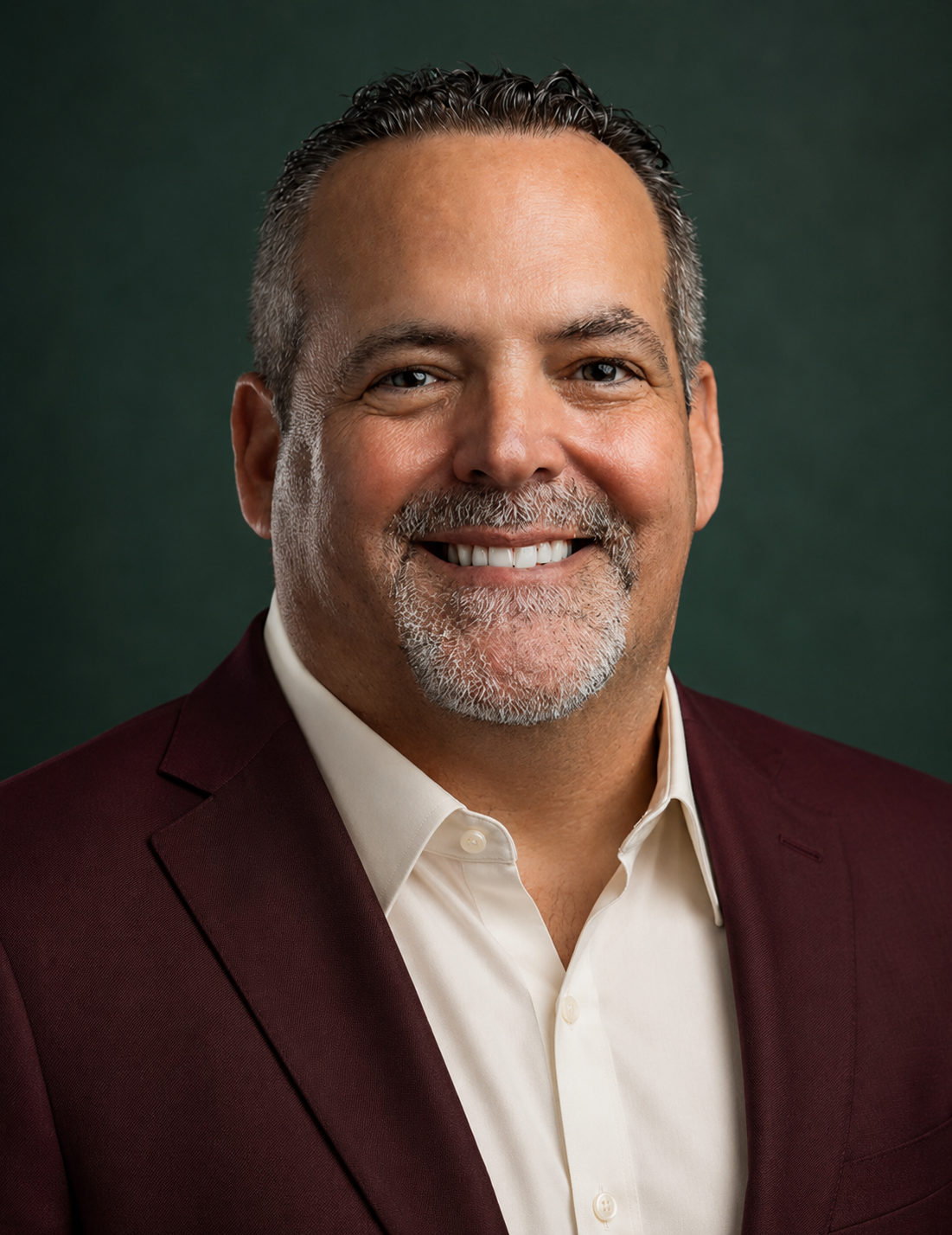
Author: Eric Kearney
Recognized as S.W. Florida’s Premier Investment Advisor, Eric Kearney with Retirement Wealth Advisors LLC has been helping clients reach and maintain their financial goals since 2001.
