
I Only Hear From My Financial Advisor When the Market Falls. Is That Normal?

The market falls sharply. Financial headlines turn unsettling. Then an email from your advisor arrives explaining what happened and reminding you not to make an emotional decision.
The message may be useful, although it raises the question: Why is this one of the only times I hear from my financial advisor?
Maybe you've worked with the same person for years. You receive account statements, occasional market updates, and perhaps an annual review. But are you having many personal conversations about your retirement, spending, taxes, family, or upcoming decisions?
Market commentary explains what is happening with your investments. However, proactive financial advice considers what is happening in your life.
At Retirement Wealth Advisors, the question "how often should my financial advisor contact me?" comes up quite a bit. While there isn't one schedule that works for everyone, a better question is whether your advisor is communicating when your financial decisions require attention.
Is It Normal To Hear From Your Financial Advisor Only When the Market Falls?
No. While there isn't one communication schedule that works for every client, hearing from your financial advisor only when the market falls shouldn't be the norm. The appropriate frequency depends on the services promised, the complexity of your finances, and your communication preferences.
If you receive little personal contact outside periods of market volatility, it's reasonable to ask whether you're receiving ongoing retirement advice or primarily investment management.
Some people like regular conversations. Others prefer to meet once or twice a year unless something changes. The real measure of financial advisor communication isn't the number of phone calls. It's whether conversations happen before a decision becomes urgent.
Infrequent contact doesn't necessarily mean your accounts are being neglected. But if you don't know what your advisor is monitoring or when you should expect to hear from the firm, there may be a gap between the service you expect and what you're receiving.
Market Updates Are Not the Same As Personal Advice
Advisor communication generally falls into three categories.
1. General Communication
Newsletters, videos, economic commentary, market emails, and invitations to educational events can keep you informed. But they're typically sent to many clients at once.
2. Reactive Communication
Reactive contact occurs in response to something that has already happened: a market decline, a question you initiated, a tax concern, or a major change in your life.
3. Proactive Communication
A proactive financial advisor looks ahead. That could mean discussing an upcoming retirement date, revisiting assumptions after your spending changes, or raising an issue you didn't realize warranted attention.
A newsletter can tell you what the market did. It can't tell you whether areas of your retirement wealth management in Florida, such as income, taxes, cash reserves, or family priorities, should be reviewed.
What Should Your Advisor Discuss When Markets Are Quiet?
Some of the most consequential retirement conversations have little to do with what happened in the market that week.
Retirement Readiness and Lifestyle
Your advisor should know more than the value of your accounts. Has your retirement date changed? Are you spending more than anticipated? Are you considering travel, relocation, renovations, or another major purchase?
If you've been told you're "on track," you should also be able to understand the assumptions behind that conclusion.
Retirement-Income Decisions
Accumulating retirement assets and living from them are different challenges. Before your paycheck ends, questions may include which accounts will provide income, when to claim Social Security, how pensions and investments work together, how much cash to maintain, and what happens if a prolonged market decline occurs while you're taking withdrawals.
Those conversations are central to effective retirement wealth management.
Tax-Aware Decisions
There may also be times to evaluate Roth conversions, capital gains, charitable giving, or how retirement withdrawals could affect Medicare income-related surcharges. A financial advisor in Florida does not replace your CPA or provide tax advice unless properly qualified and engaged to do so. However, your financial and tax professionals should communicate when appropriate so each understands decisions that may affect the other.
Family and Estate Considerations
Beneficiaries, estate documents, financial assistance to children or grandchildren, and changes within a marriage can all affect retirement planning in Florida. Both spouses should also understand the major pieces of the plan and know whom to contact if one spouse dies or becomes incapacitated.
Risks Beyond the Stock Market
For most people living in the Sunshine State, financial demands don't end with investment risk. Southwest Florida homeowners may need to account for rising property expenses and insurance costs, hurricane reserves, major repairs, or maintaining a second residence. Healthcare and potential long-term-care expenses can add another layer.
None of those issues requires a falling stock market to deserve a conversation.
What Does Proactive Communication Actually Look Like?
Proactive service doesn't mean constant phone calls or someone suggesting portfolio changes every few weeks. It means hearing from your advisor when there's a reason. For example:
"You're retiring next year. Let's map how you'll transition from salary to portfolio withdrawals."
"Your income changed. Should we revisit this year's tax projections?"
"Your cash reserve has fallen below the amount established in your plan."
"You mentioned helping your son or daughter purchase a home. Let's see what that could mean for your retirement."
"Your Medicare enrollment window is approaching. Here are some financial questions to review."
"You're replacing your roof after a storm. Let's discuss where the money might come from."
"It's been a year since we updated your retirement projections."
Proactive communication isn't simply more communication. It's timely, personal contact tied to decisions that affect your life.
How Often Should You Meet With Your Financial Advisor?
Many meet formally with their advisor at least once a year. Retirees, business owners, people nearing retirement, and households going through major changes may benefit from additional conversations.
So, it depends on your circumstances and the services your advisor has agreed to provide. Your calendar might include an annual review, interim check-ins, tax discussions before relevant deadlines, and conversations when something changes. You should also know how to reach the firm when an everyday financial question arises.
Meeting frequency matters less than what happens during those conversations. Four superficial meetings aren't necessarily more useful than two thorough conversations held at the right times.
Five Signs the Silence May Reflect a Larger Service Gap
Limited contact alone isn't necessarily a reason to change advisors. A pattern of other issues, however, may warrant a closer look.
1. Every Conversation Is About Investment Performance
Your portfolio matters, but retirement also involves income, spending, taxes, healthcare, family decisions, and lifestyle expenses.
2. You Always Have to Initiate Contact
Your advisor answers when you call but rarely reaches out about something coming down the road.
3. Your Financial Plan Hasn't Changed Even Though Your Life Has
Retirement, relocation, an inheritance, widowhood, health changes, or new family responsibilities may require another look at previous assumptions.
4. You Receive Reassurance Without Supporting Analysis
"You're fine" doesn't explain how the conclusion was reached. Updated projections and understandable assumptions give you something concrete to evaluate.
5. You Hesitate to Call With Everyday Financial Questions
You may feel the relationship is limited to investments or worry your question isn't substantial enough to warrant your advisor's time.
Any one of these experiences may have a reasonable explanation. A repeated pattern may indicate you're receiving less personal attention than you expected.
Questions To Ask Your Current Advisor
If you're concerned about communication, start by asking your advisor directly:
How often should I expect personal contact from your team?
What would cause you to contact me between scheduled reviews?
How frequently are my retirement and income projections updated?
What do you monitor besides my investment portfolio?
Who should I call if my primary advisor isn't available?
How quickly should I normally expect a response?
Will you communicate with my CPA or estate-planning attorney when appropriate?
How do you learn about changes in my family, spending, health, or priorities?
Are both spouses included in financial discussions?
What services am I receiving for the fee I pay?
Listen for specifics. A defined process tells you more than a vague promise that someone is "always here if you need us."
Retirement Wealth Advisors' Perspective: Communication Should Have a Purpose
At Retirement Wealth Advisors, we believe communication should prepare clients for decisions, explain their options, and make it easy to bring questions to a familiar team.
Our work goes beyond monitoring investments. Financial and income planning, portfolio management, tax-aware investing, risk management, and ongoing conversations all contribute to understanding how the pieces of retirement interact.
Our team serves individuals and families from offices in Cape Coral, Punta Gorda, and Bonita Springs.
Do you already have an advisor but feel uncertain about your retirement plan, investments, or level of service?
Consider getting a second opinion from one of our retirement financial advisors in Southwest Florida. We can provide a second set of eyes without requiring you to make a decision about your existing relationship.
Request a complimentary second opinion here or call us at (239) 288-1575.
FAQs
What Should I Expect From My Financial Advisor?
You should understand the services your advisor provides, how your investments and retirement plan are being monitored, when you can expect personal communication, and whom to contact when questions arise. The relationship may also include discussions about retirement income, taxes, healthcare, estate considerations, and major financial decisions.
What Are Signs You Need a New Financial Advisor?
Possible signs include consistently poor communication, an outdated financial plan, conversations focused almost entirely on investment performance, difficulty getting questions answered, or uncertainty about the services you're paying for.
Should I Get a Second Opinion From Another Financial Advisor?
It may make sense if your plan hasn't been updated, you don't understand your investments, communication remains limited, or major retirement questions are unanswered. Getting a second opinion from another financial planner in Florida does not obligate you to change advisors.
What Should I Discuss With My Financial Advisor Each Year?
An annual review may cover retirement spending, income sources, investment risk, taxes, cash reserves, Social Security, healthcare, beneficiaries, estate coordination, family changes, and upcoming expenses.
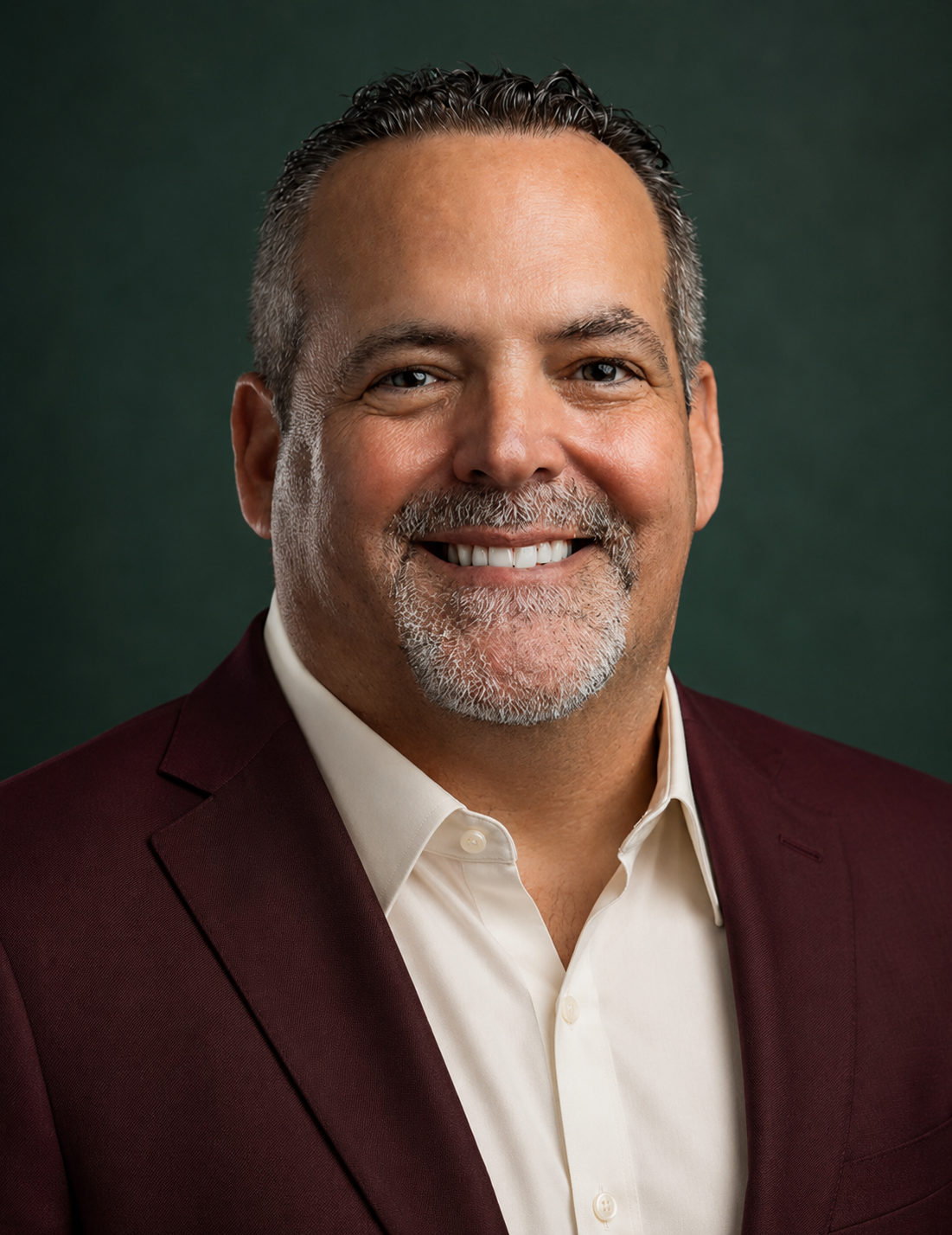
Author: Eric Kearney
Recognized as S.W. Florida’s Premier Investment Advisor, Eric Kearney with Retirement Wealth Advisors LLC has been helping clients reach and maintain their financial goals since 2001.
